
Central Asian Women
Women of Central Asia: Culture, Faith and Modern Life
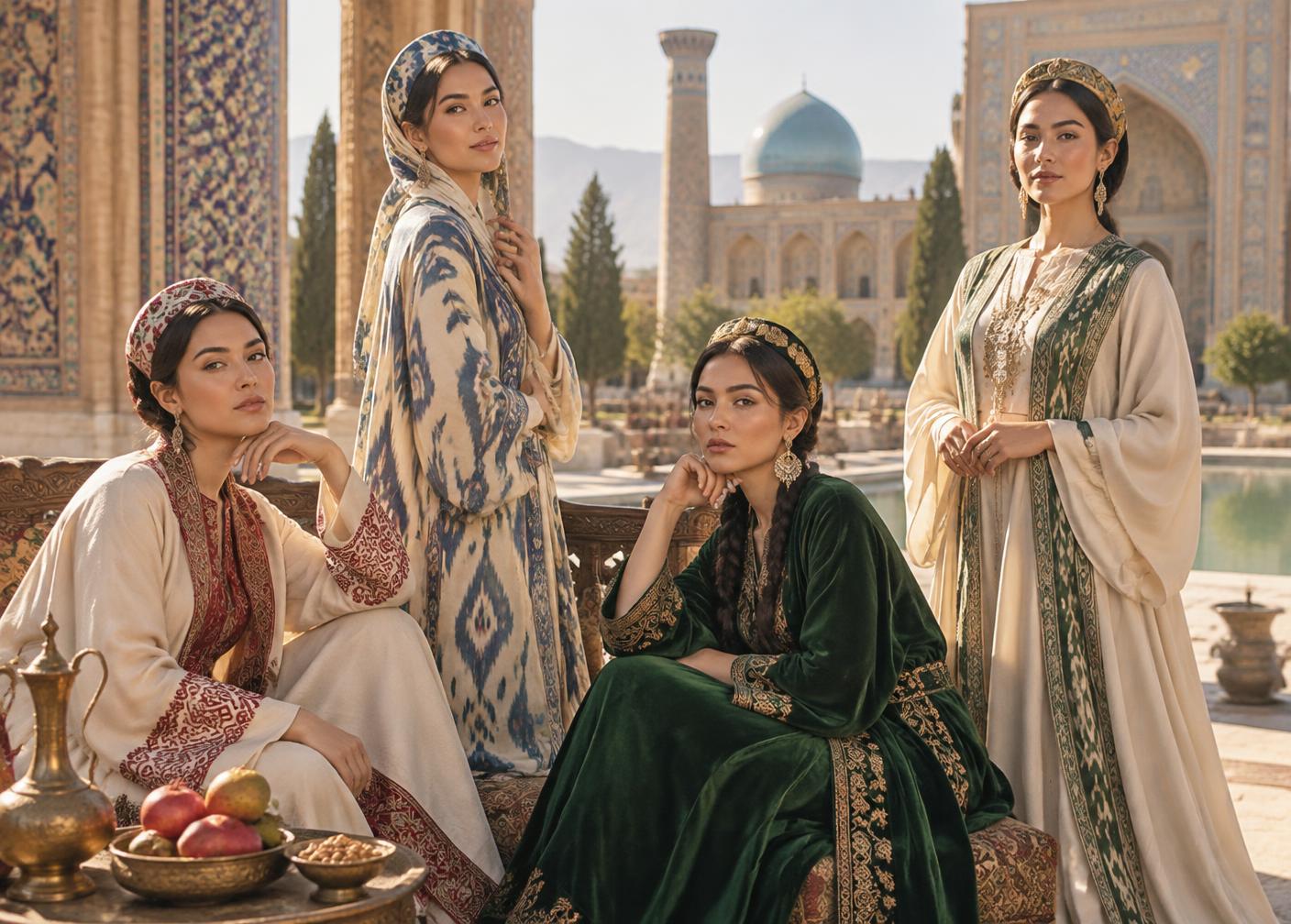
Connected histories, individual lives
Central Asia is often described as one region, but Kazakhstan, Kyrgyzstan, Tajikistan, Turkmenistan and Uzbekistan have distinct languages, histories and social landscapes. Even within one country, city, generation and family can change a woman's experience. Regional context should open a conversation, never close it.
Family and hospitality
Extended family relationships and hospitality are visible across much of the region. Their meaning is personal. One woman may enjoy a closely connected household; another may want clearer boundaries. A serious partner should ask how she imagines daily life, decisions and responsibilities after marriage.
Faith across Central Asia
Islam is an important part of history and identity for many people, alongside secular traditions and other beliefs. Practice ranges widely. Couples should discuss faith in concrete terms: worship, food, celebrations, dress, finances and the upbringing of children. Labels alone do not answer these questions.
Education and changing opportunity
Women across Central Asia participate in universities, professions, entrepreneurship, public service, agriculture and care work. Opportunities and barriers vary between and within countries. A degree or career may carry deep personal and family significance; relocation should not casually erase it.
A note on Turkmenistan
Public information about private life in Turkmenistan can be limited, making sweeping claims especially unreliable. Turkmen textile arts, carpet traditions, hospitality and respect for elders form part of a rich cultural inheritance, but they do not define the wishes of every Turkmen woman. Listen to the individual and verify practical information independently.
International courtship with care
Cross-border relationships need more than attraction. Translation, travel, immigration, financial expectations, family access and legal recognition all deserve early discussion. Avoid anyone promising guaranteed affection, instant marriage or access to women as a category.
The principle that matters most
Culture can make an introduction more meaningful, but mutual respect makes a marriage possible. The woman must remain the author of her own decision. The role of a discreet matchmaker is to create a careful introduction—not to decide the outcome.
Further reading: UNESCO Central Asia resources: https://www.unesco.org/en/fieldoffice/almaty UN Women Europe and Central Asia: https://eca.unwomen.org/en UNFPA Eastern Europe and Central Asia: https://eeca.unfpa.org/en