Kazakhstan World
Why Are Women in Kazakhstan So Well Educated?
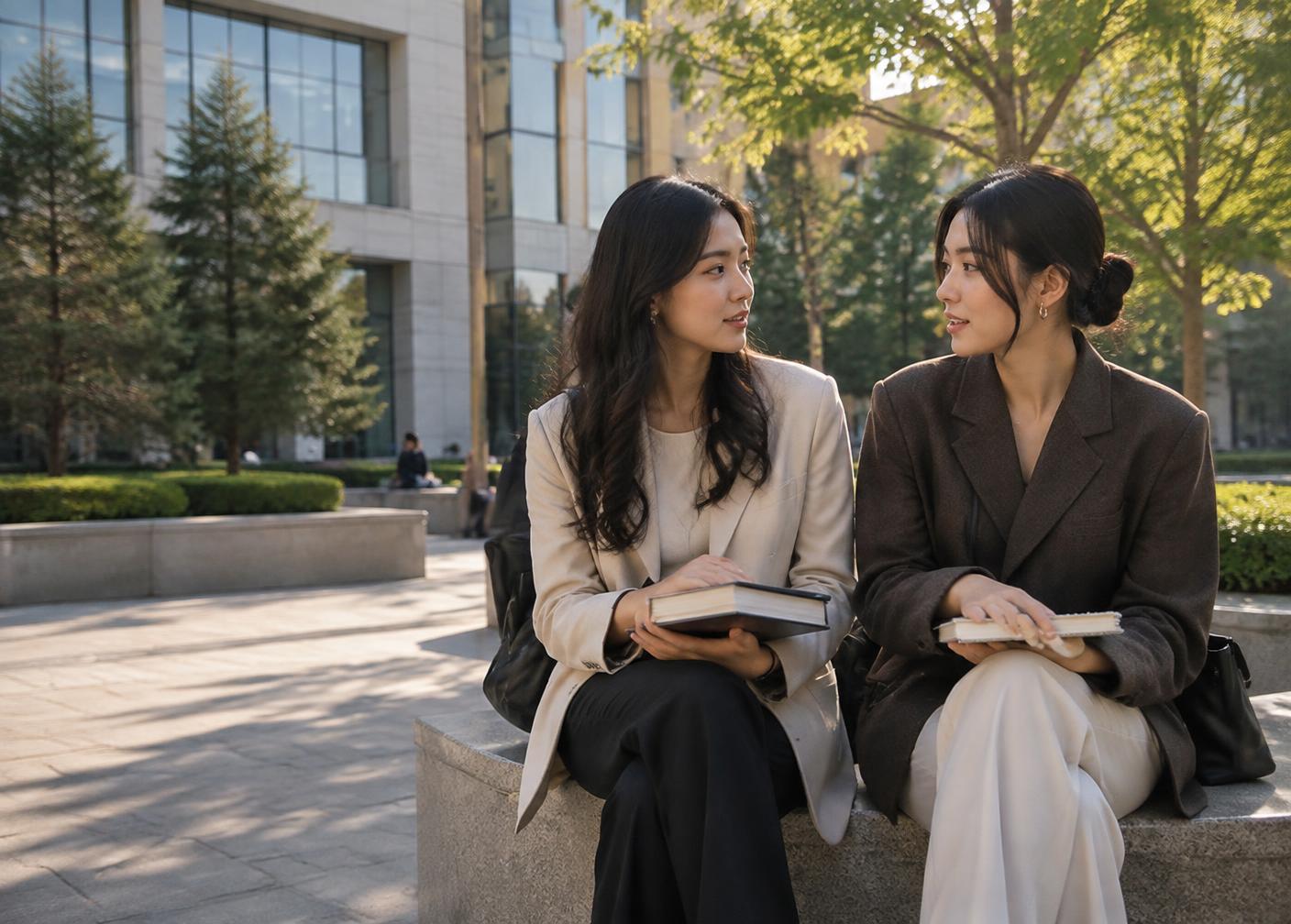
The answer begins with access. Kazakhstan inherited a broad system of public schooling from the Soviet period and continued investing in education after independence. Families across generations have treated a diploma as a route to opportunity and security. That history is one part of the story; individual ambition, family support and changing professional possibilities matter too.
The current numbers are striking. Kazakhstan’s Bureau of National Statistics reported 678,100 students in higher education at the beginning of the 2025–2026 academic year. Women made up 52.5% of that total and 51.7% of newly admitted students. These are national figures for students in Kazakhstan, not a measure of any individual woman’s qualifications or of Kazakh ethnicity alone.
The previous year tells a similar story: women were 53% of 624,500 higher-education students in 2024–2025. Together, the two snapshots show sustained female participation rather than a one-year anomaly. They do not, by themselves, establish why one particular person chose her field or what opportunities await after graduation.
Education shapes expectations. For many women, a marriage must make room for work, further study, language learning or a move to another country. It is worth asking about those hopes directly rather than assuming that professional ambition and family life are competing choices.
The most valuable fact in an introduction is still the person in front of you. National statistics help challenge outdated stereotypes, but they never replace listening to her own story.
Sources: Kazakhstan Bureau of National Statistics, higher education 2025–2026: https://stat.gov.kz/en/industries/social-statistics/stat-edu-science-inno/publications/470854/ Kazakhstan Bureau of National Statistics, higher education 2024–2025: https://stat.gov.kz/en/industries/social-statistics/stat-edu-science-inno/publications/277816/
Why a university degree can mean more than a qualification
For some women, study offers professional options, financial independence and the confidence that comes from mastering a subject. For others, it is a personal interest or a source of family pride. These are possible individual motivations, not findings established by the enrolment figures above. A diploma may represent years of effort and encouragement from loved ones; the kindest way to understand its value is to ask the woman herself.
In a serious introduction, make space for questions about continuing a career, further study and recognition of qualifications if relocation is considered. Education and family hopes need not be treated as competing choices. Equally, a woman without a university degree deserves the same respect: vocational training, work, care and lifelong learning can be meaningful parts of her story.